Actively trying to move people through music can quickly feel insincere. It has to come from within. I play first and foremost for myself, and I believe others respond to what is genuine. There is a kind of magic when someone reacts to an impulse – whether it is someone in the audience or someone on the other side of the stage.
Through music, you can experience different perspectives. It can, for example, open a window onto another time – placing you “there” in history. We need to be able to put ourselves in other people’s situations.
Technique is your foundation. When you have control of the technique, you have the freedom to create expression without the instrument getting in the way. The tuba may seem like a difficult instrument to convey something with, but it requires hours of experimentation and practice. I listen closely to how others do it.
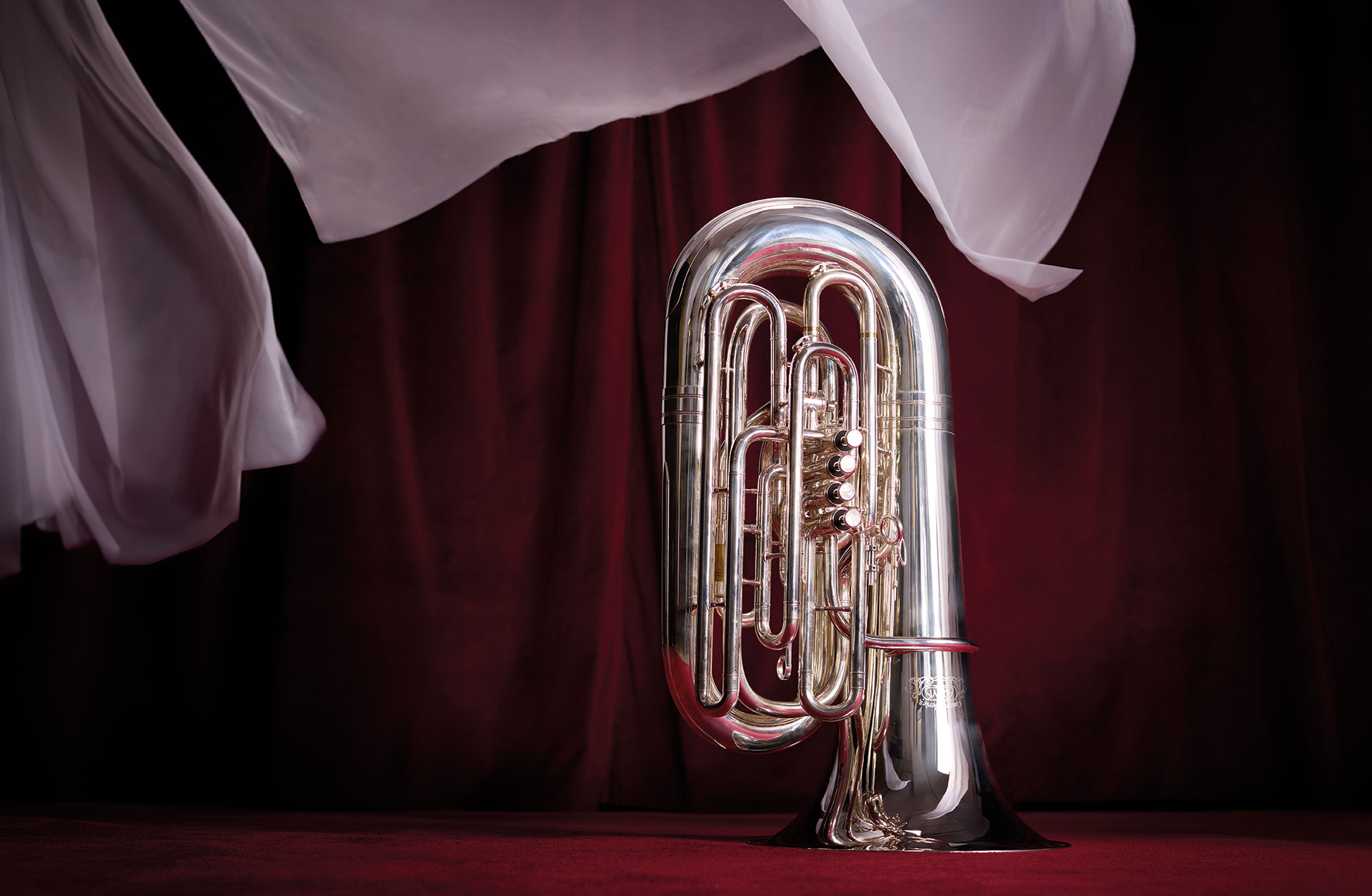
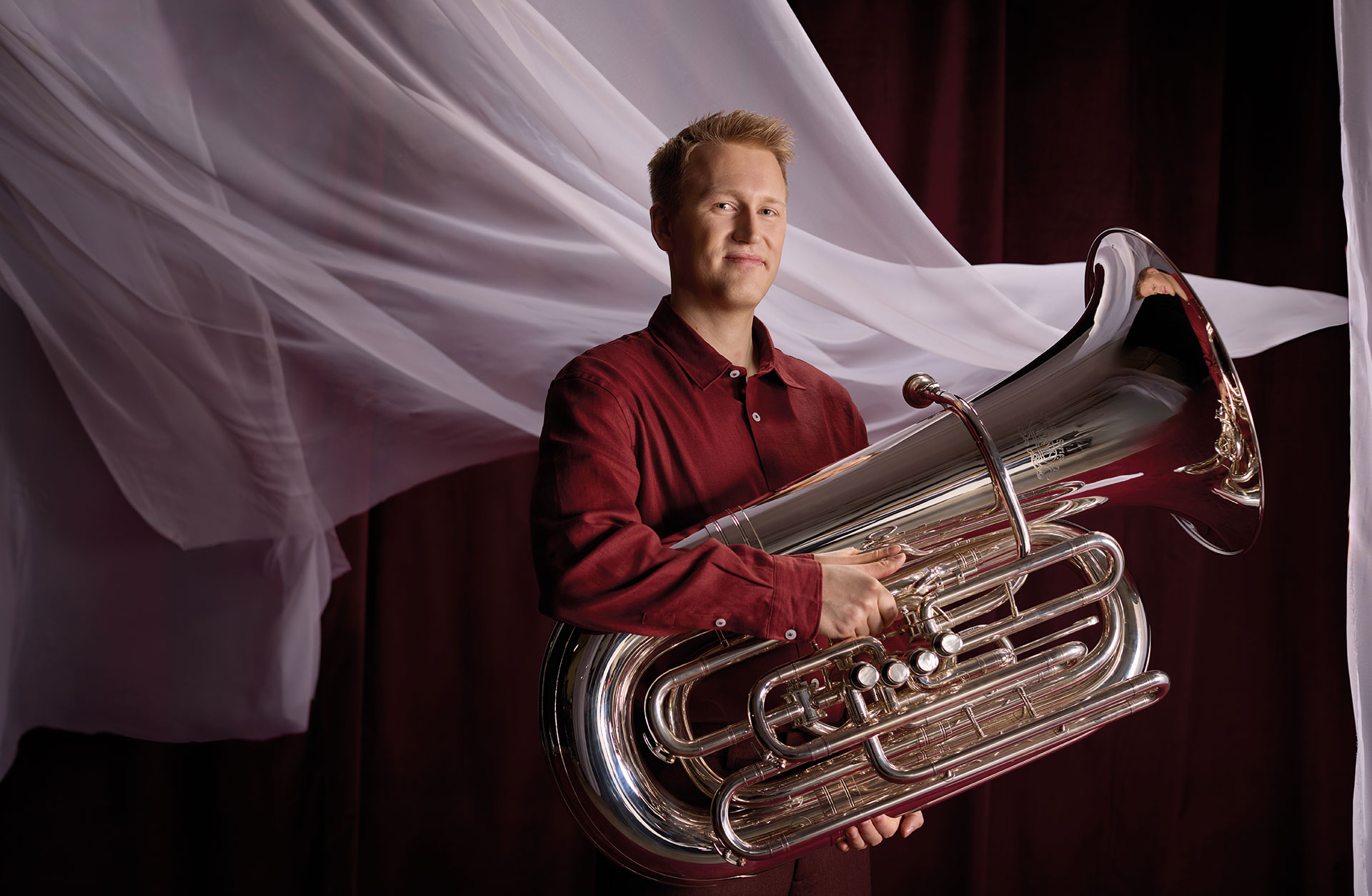
The tuba works best in collaboration, as the foundation of a group. But it can just as well be used as a solo instrument. There is a special effect when you break an expectation. The hardest thing of all is to play something elegant and light – which makes the effect all the greater.
I have listened a great deal to Daniel Herskedal, a Norwegian jazz tuba player – it feels as though he can express exactly what he wants. You almost stop thinking about the fact that it’s the tuba he’s playing. It’s pure music he is after. That is something I aspire to.
Jesper Kramer-Johansen
Tuba, Gothenburg Symphony Orchestra