

The Gothenburg Symphony Orchestra is made up of 109 musicians, making it Sweden’s largest symphony orchestra. The instruments are divided into sections: strings, woodwind, brass, percussion, piano and harp. Each instrument contributes its own unique sound and character to the orchestra. The conductor’s role is to lead the musicians and bring them together as one ensemble.
The combination of instruments in a symphony orchestra has remained largely unchanged since the late 19th century, although more recent works sometimes call for additional instruments. When this happens, extra musicians are brought in to play these particular instruments, such as the saxophone.
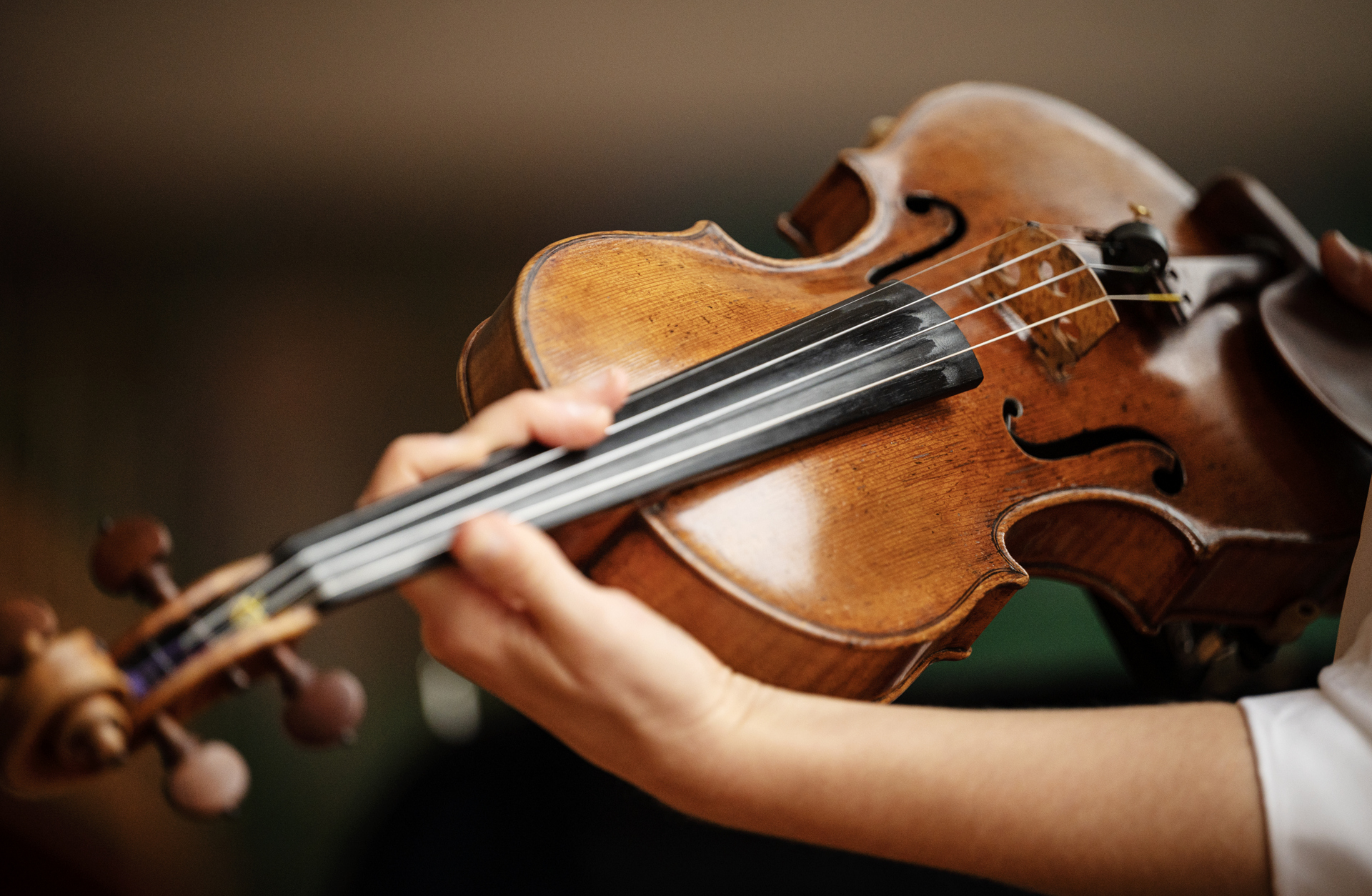
The violin
With its bright, expressive sound, the violin is one of the most familiar voices in the string family. Discover the instrument where bow and strings create everything from delicate notes to great power.
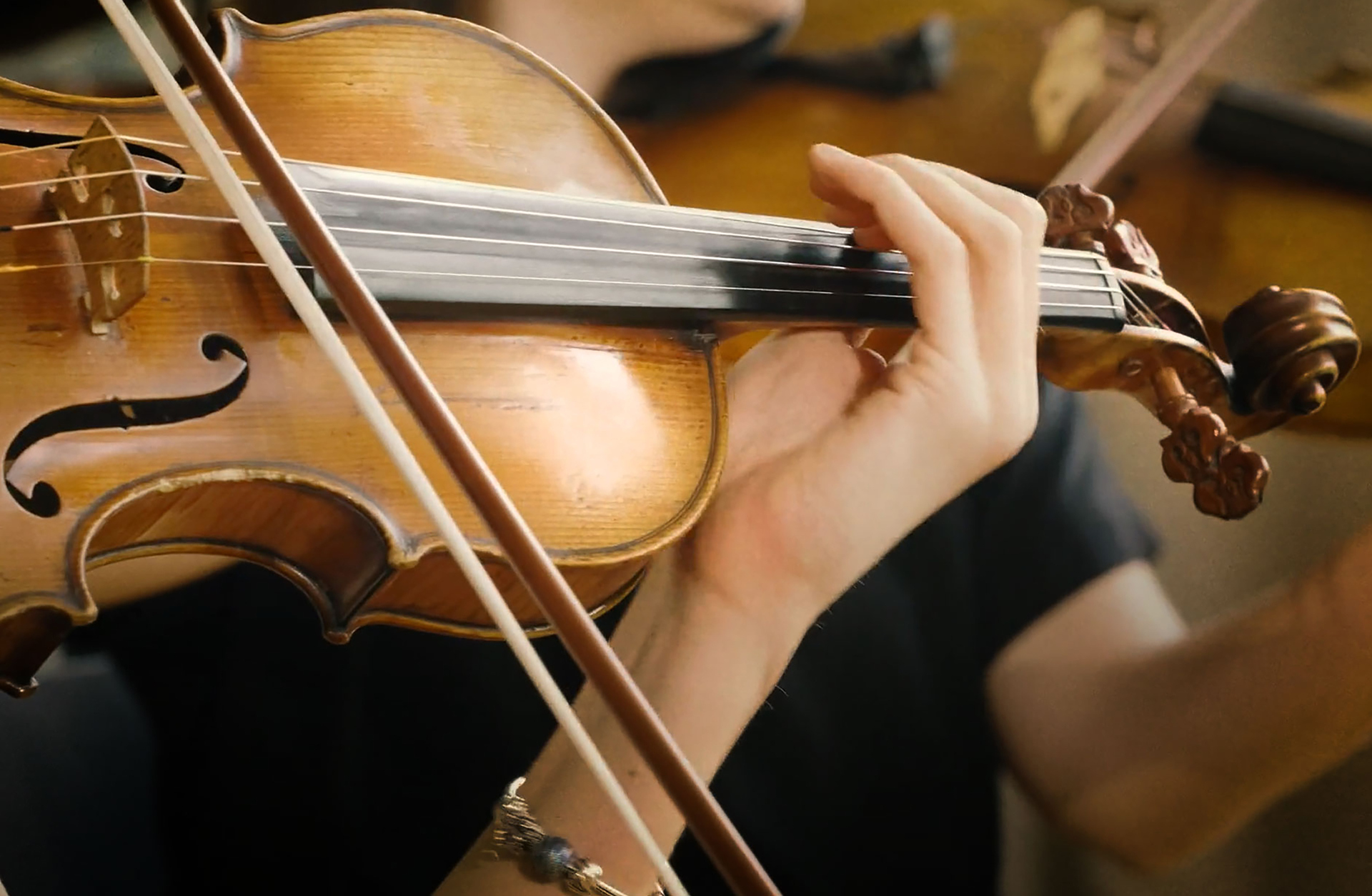
The viola
Slightly larger than the violin, with a warm, rich sound. Discover the viola, the alto voice of the string family, filling the space between the highest and lowest notes.
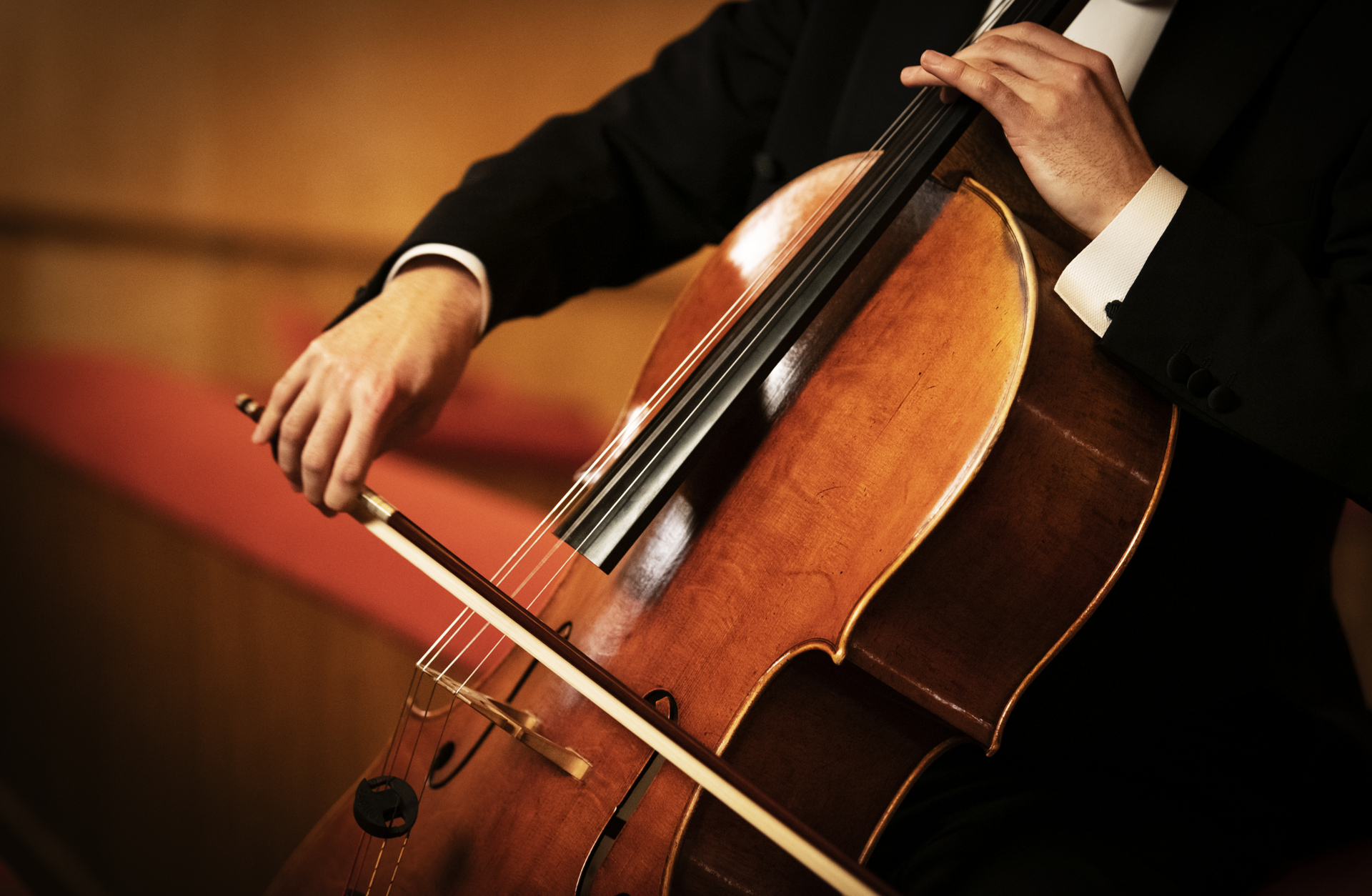
The cello
With its warm, rich sound, the cello moves from deep notes to soaring heights. Discover this string instrument with its wide range and expressive voice.
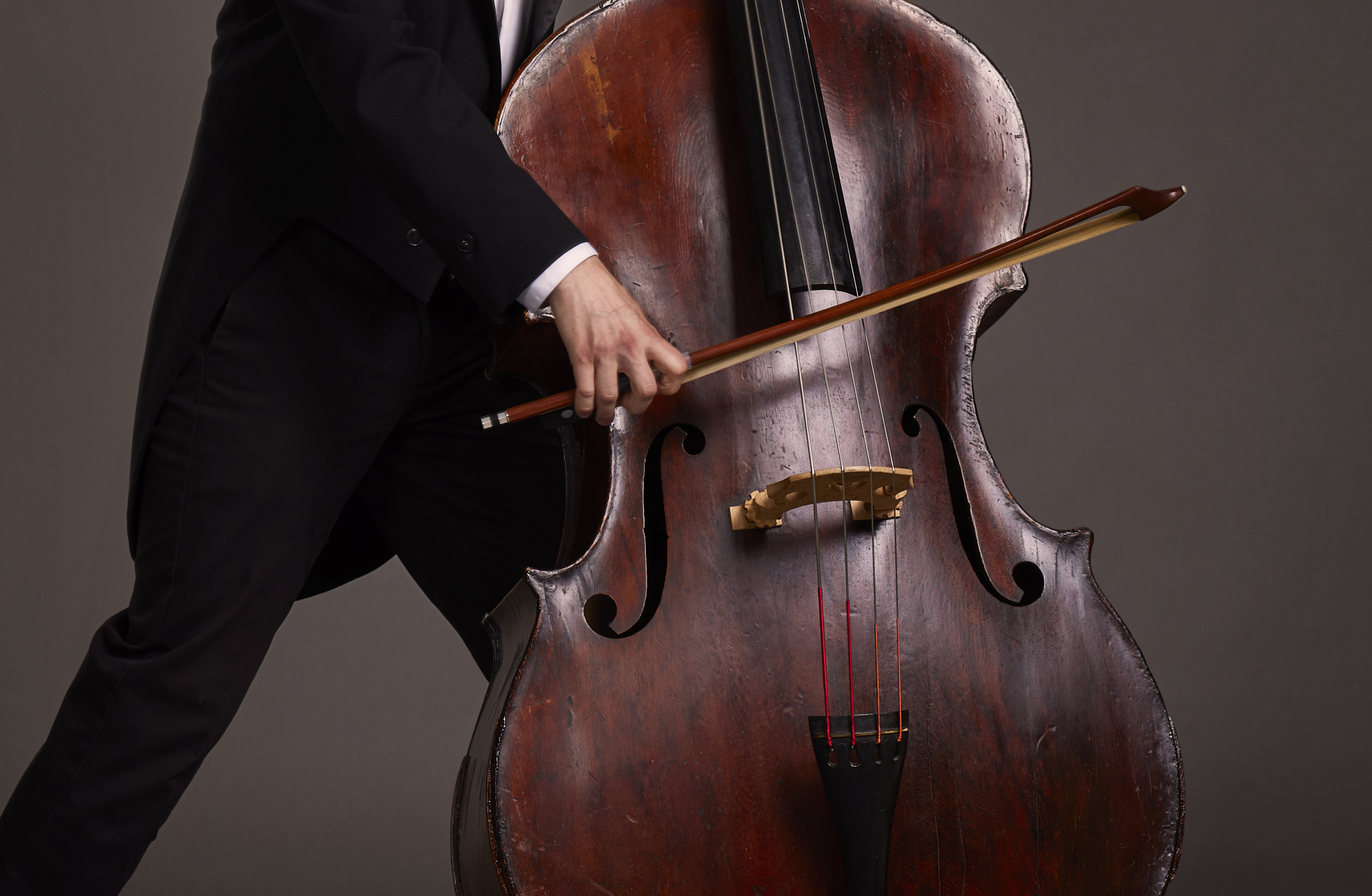
The double bass
The largest member of the string family, with some of the orchestra’s deepest notes. Discover the double bass, the instrument that brings depth, weight and power to the strings.
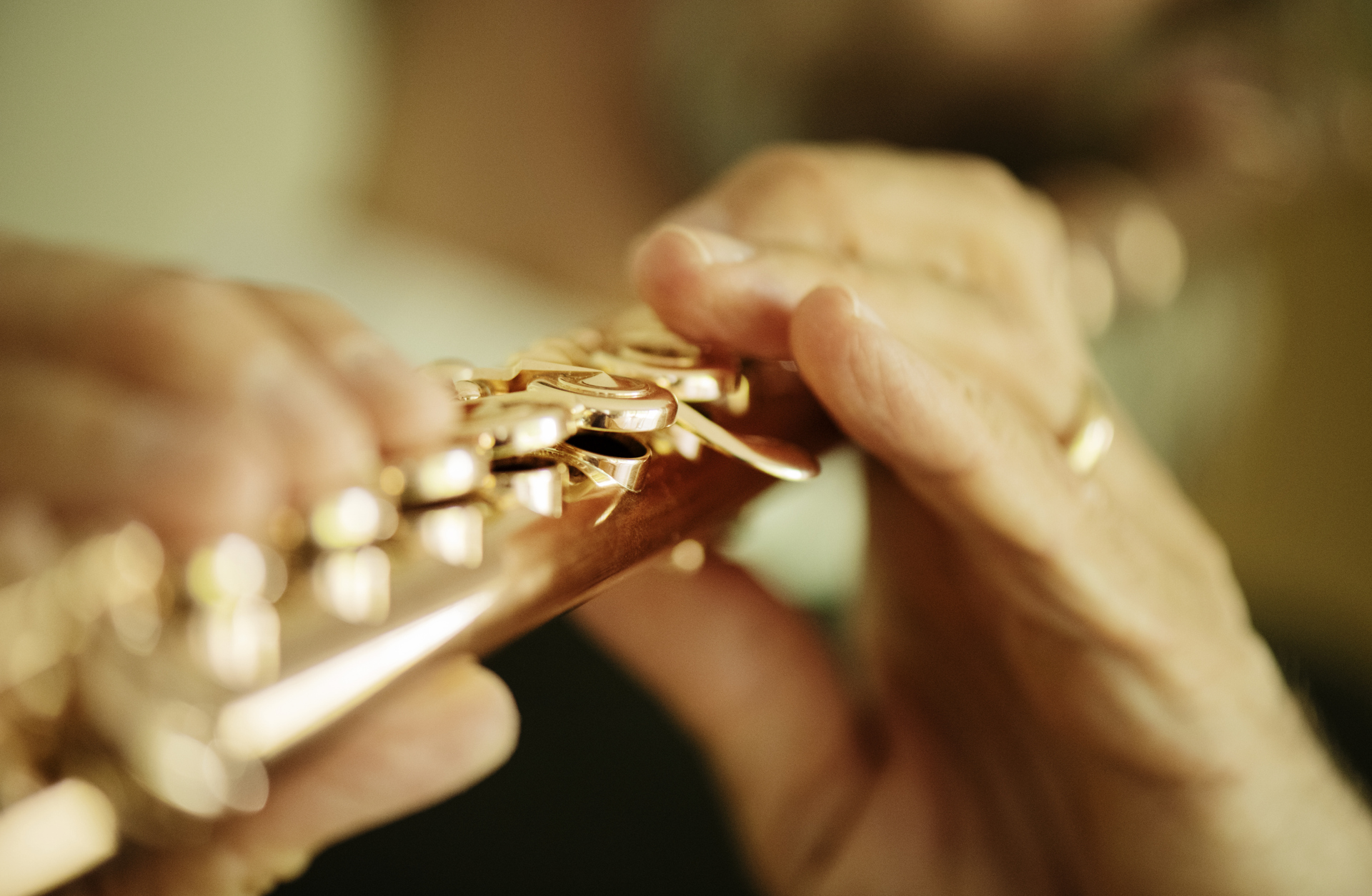
The flute
One of humanity’s oldest instruments, with one of the brightest sounds in the orchestra. Discover the flute, a woodwind instrument that today is usually made of gleaming metal.
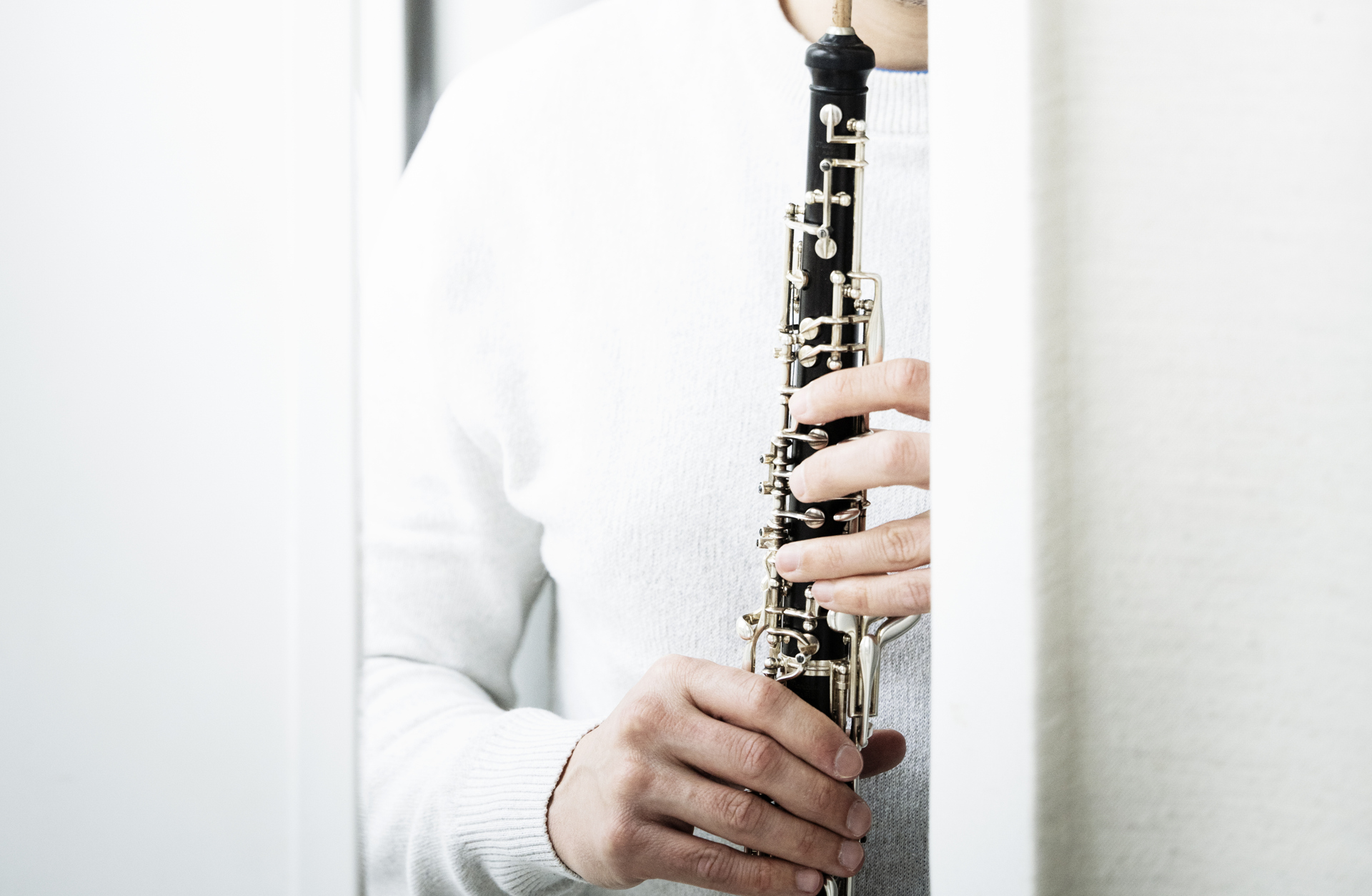
The oboe & the cor anglais
With its shimmering sound and a tone that carries through the entire orchestra. Discover the oboe, the instrument the orchestra tunes to, and its deeper-voiced relative, the cor anglais.
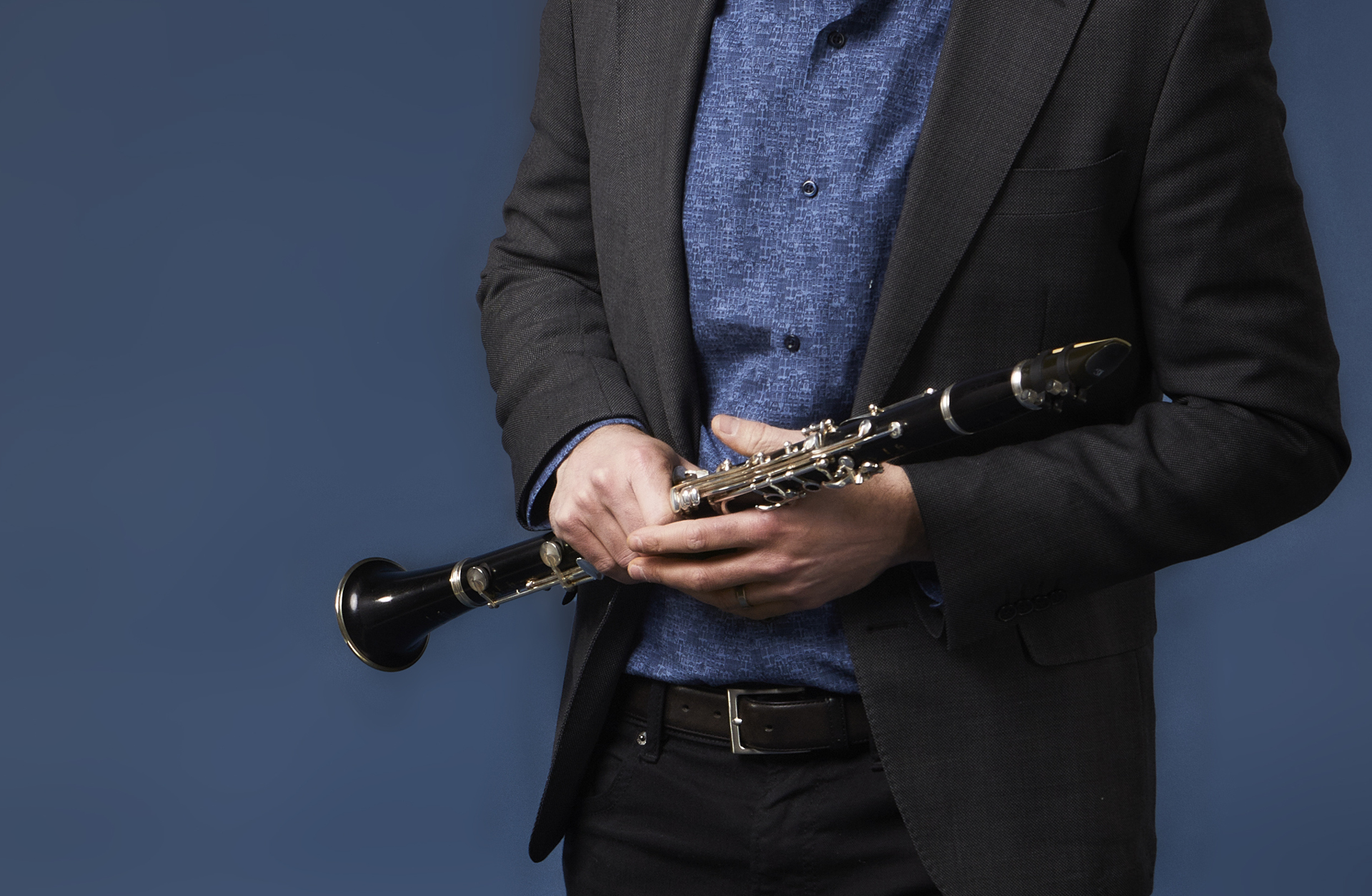
The clarinet
With a sound that can be warm, mellow and brilliant. Discover the clarinet, a versatile woodwind instrument at home in everything from classical music to jazz and folk music.
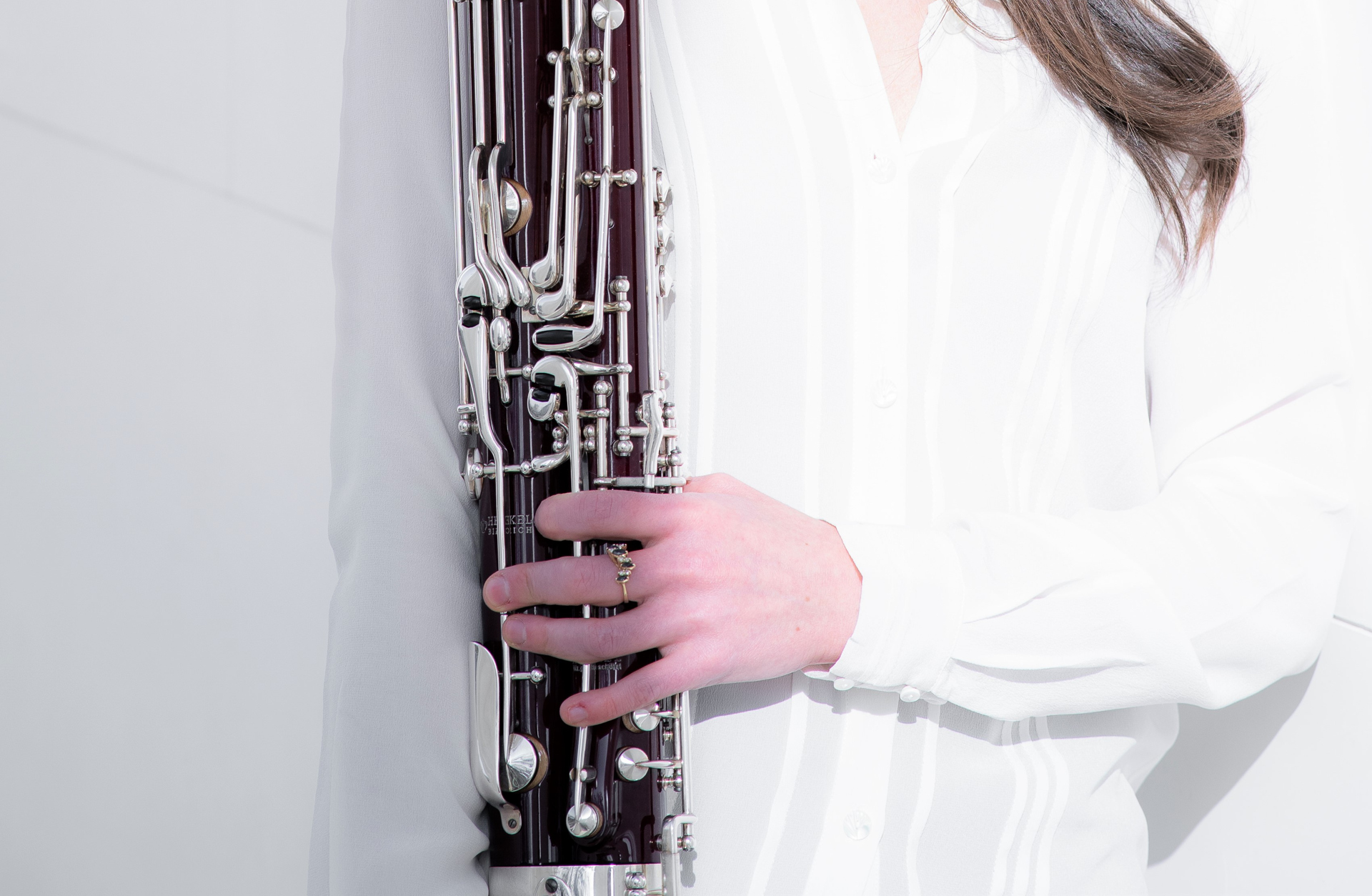
The bassoon
From warm and mellow to deep and resonant. Discover the bassoon, the woodwind instrument whose expressive sound resembles the human voice, and its deeper-voiced relative, the contrabassoon.
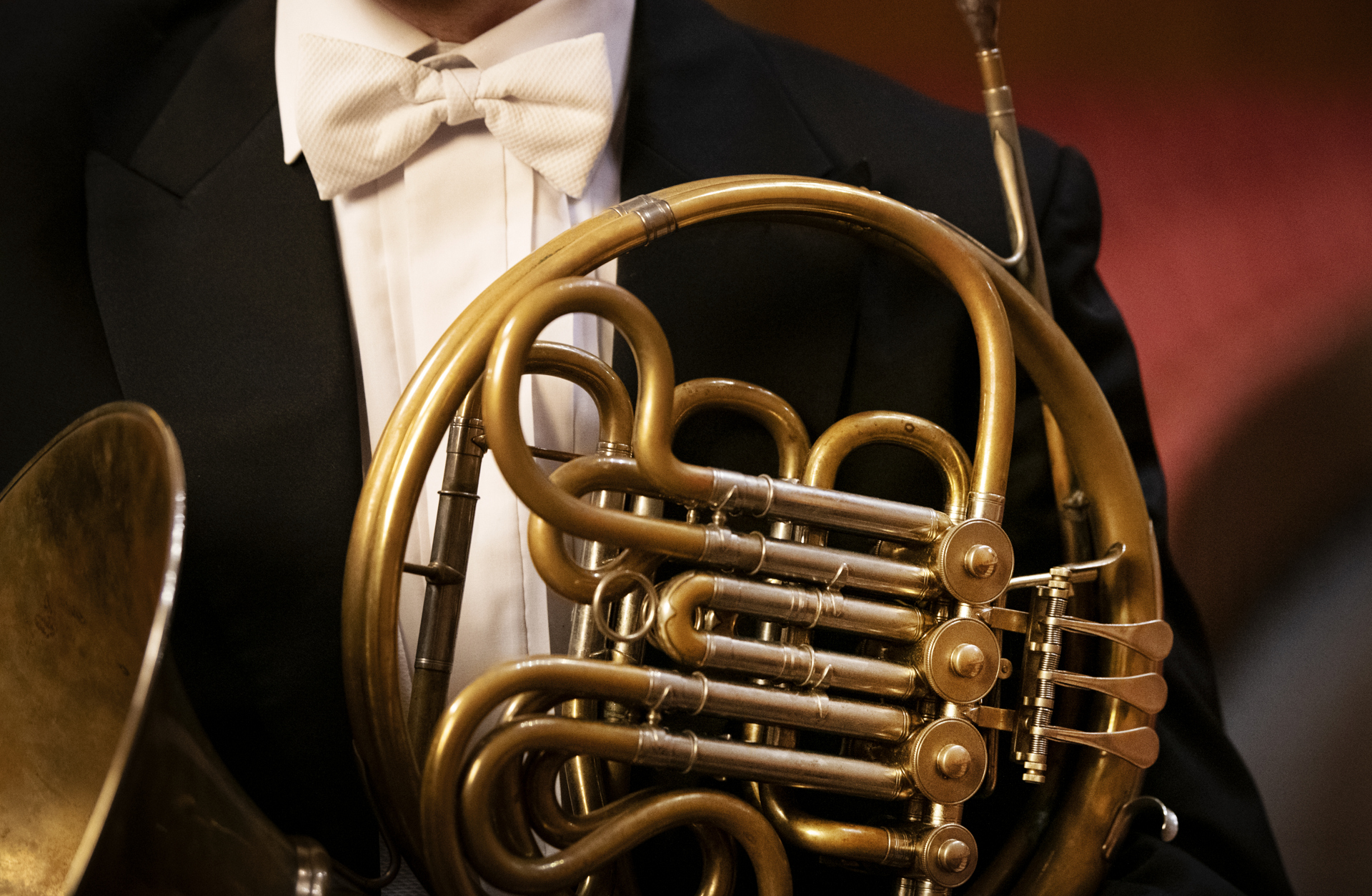
The horn
With its warm, rounded sound, the horn can both carry a melody and blend seamlessly into the orchestra. Discover the brass instrument that evolved from the hunting horn and whose sound is shaped using both valves and the player’s hand.
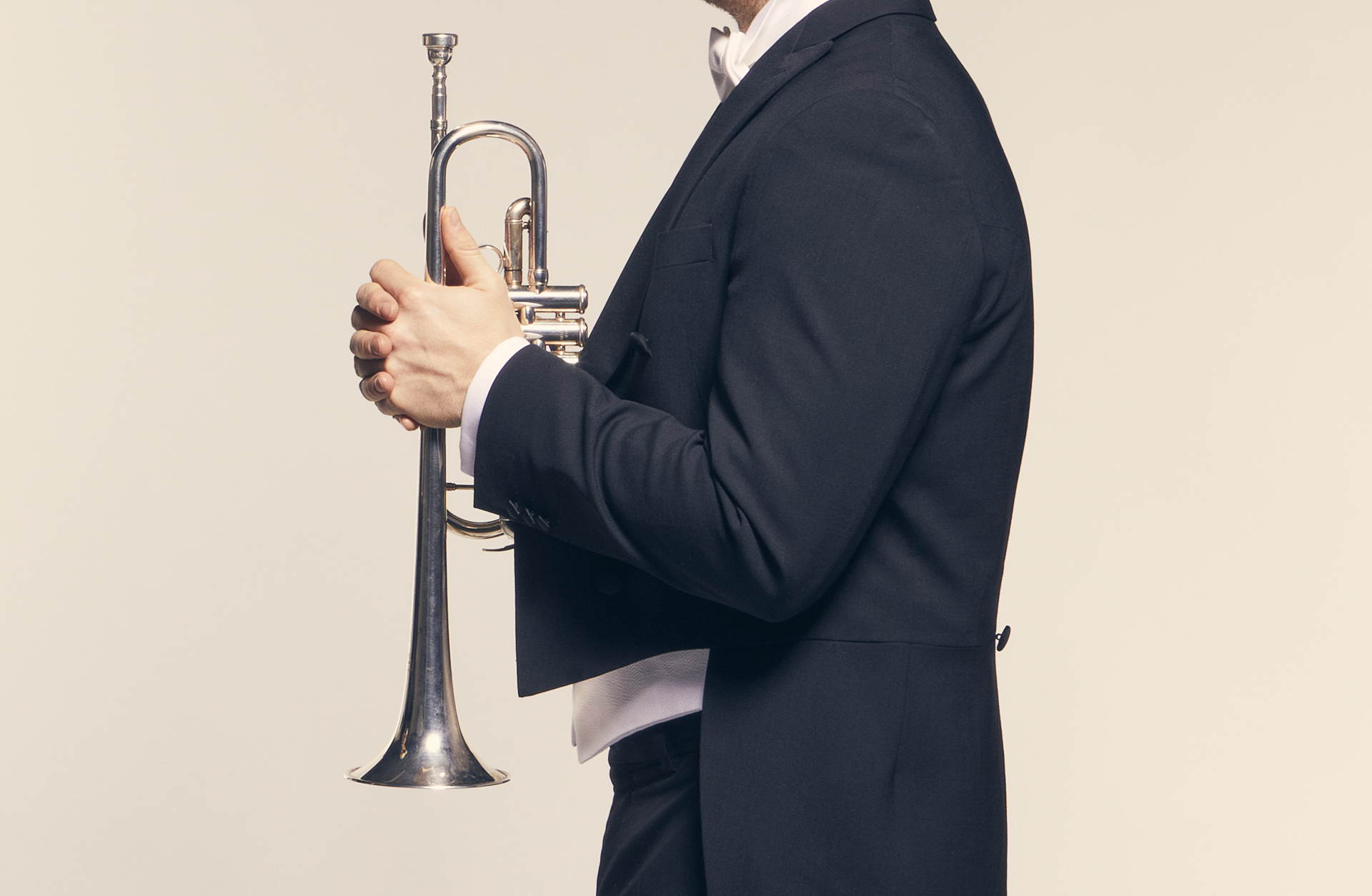
The trumpet
With its bright, penetrating sound, the trumpet is one of the highest voices in the brass section. Discover the instrument that brings power, brilliance and a majestic sound to the orchestra.
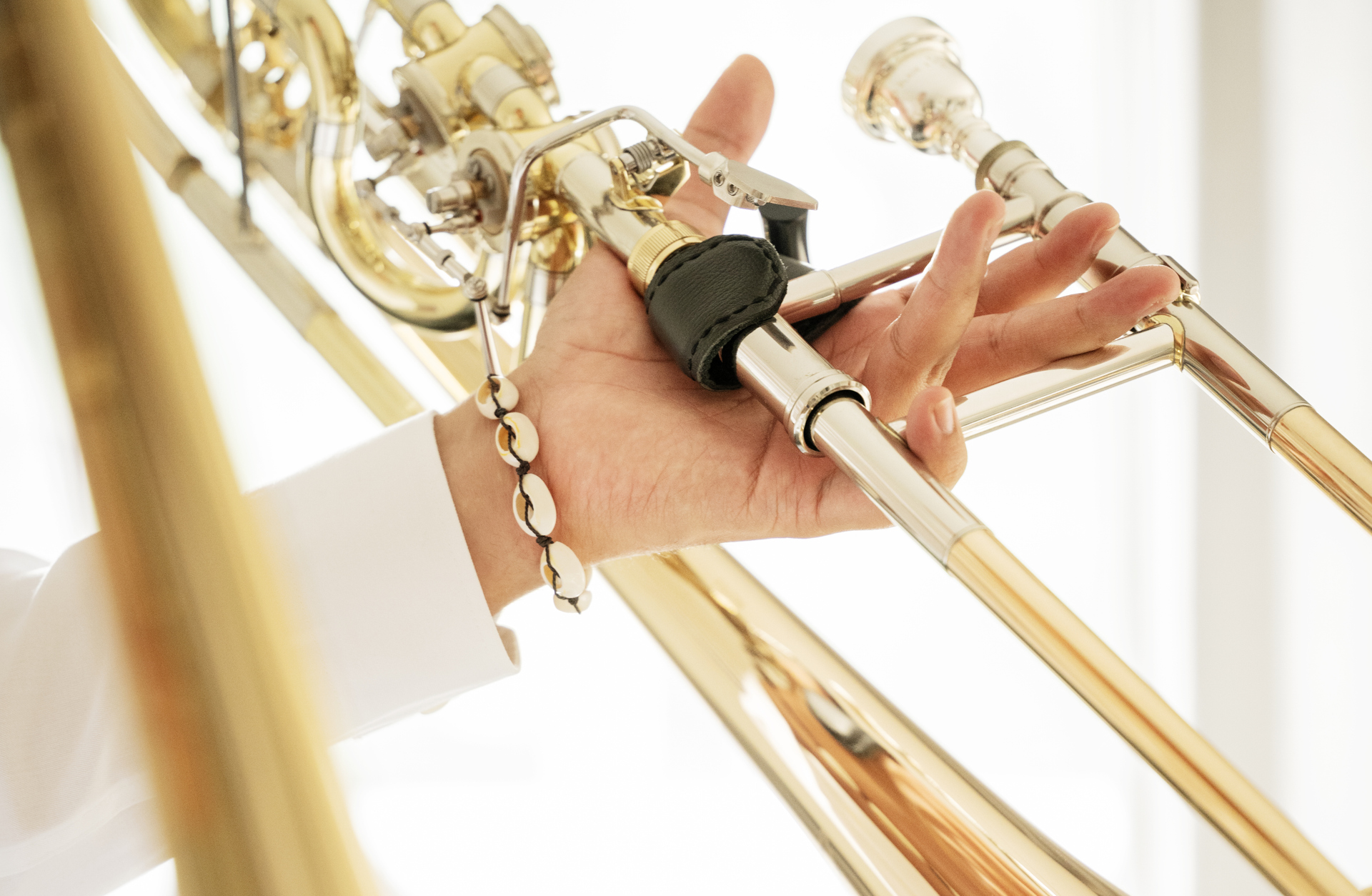
The trombone
With its powerful sound and distinctive slide, the trombone can both hit notes precisely and glide smoothly between them. Discover the brass instrument which brings both weight and movement to the orchestra.
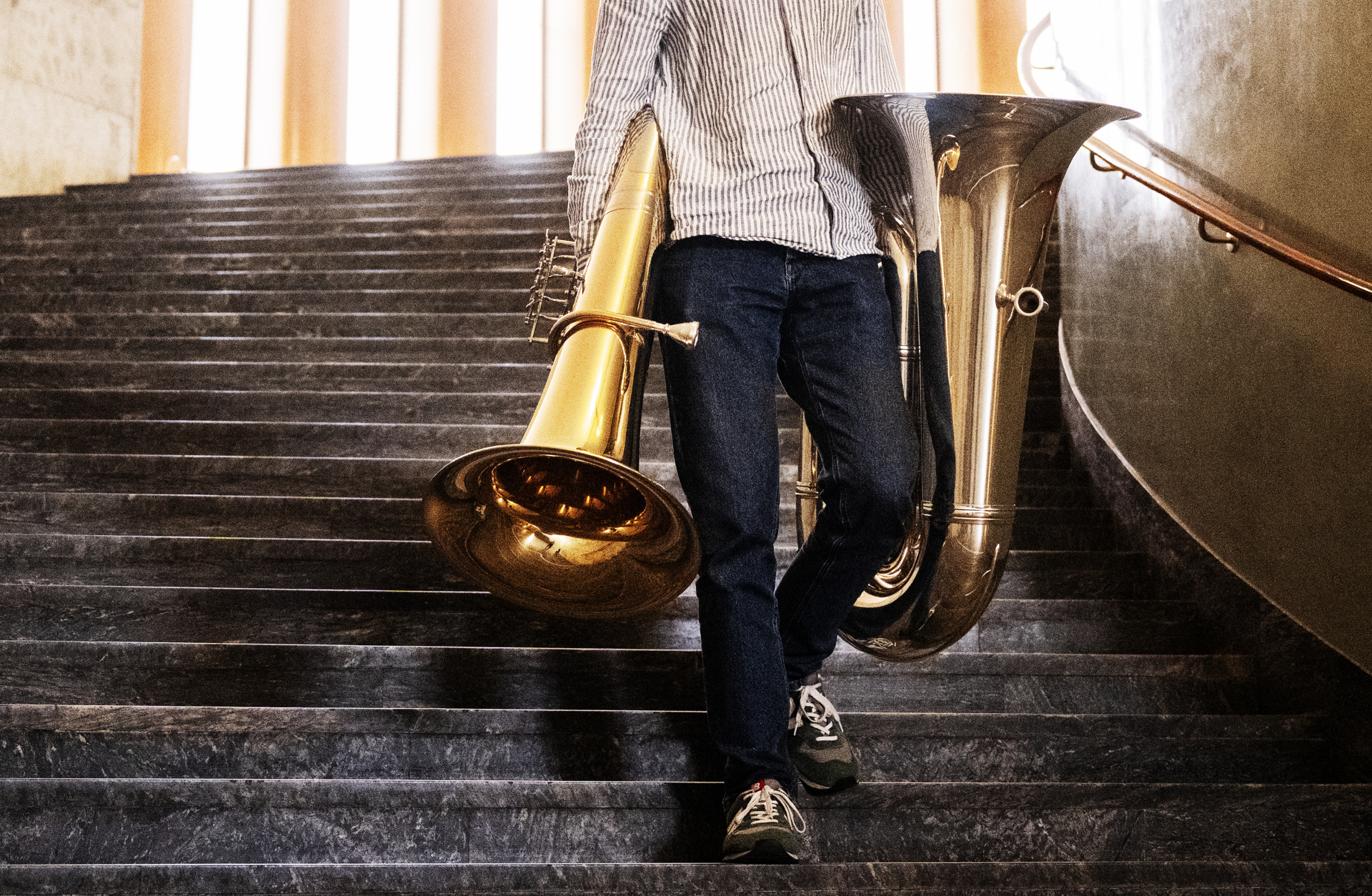
The tuba
With its deep, powerful sound, the tuba brings weight and depth to the brass section. Discover a family of instruments ranging from the bass tuba to the euphonium and the circular tuba used in marching bands.
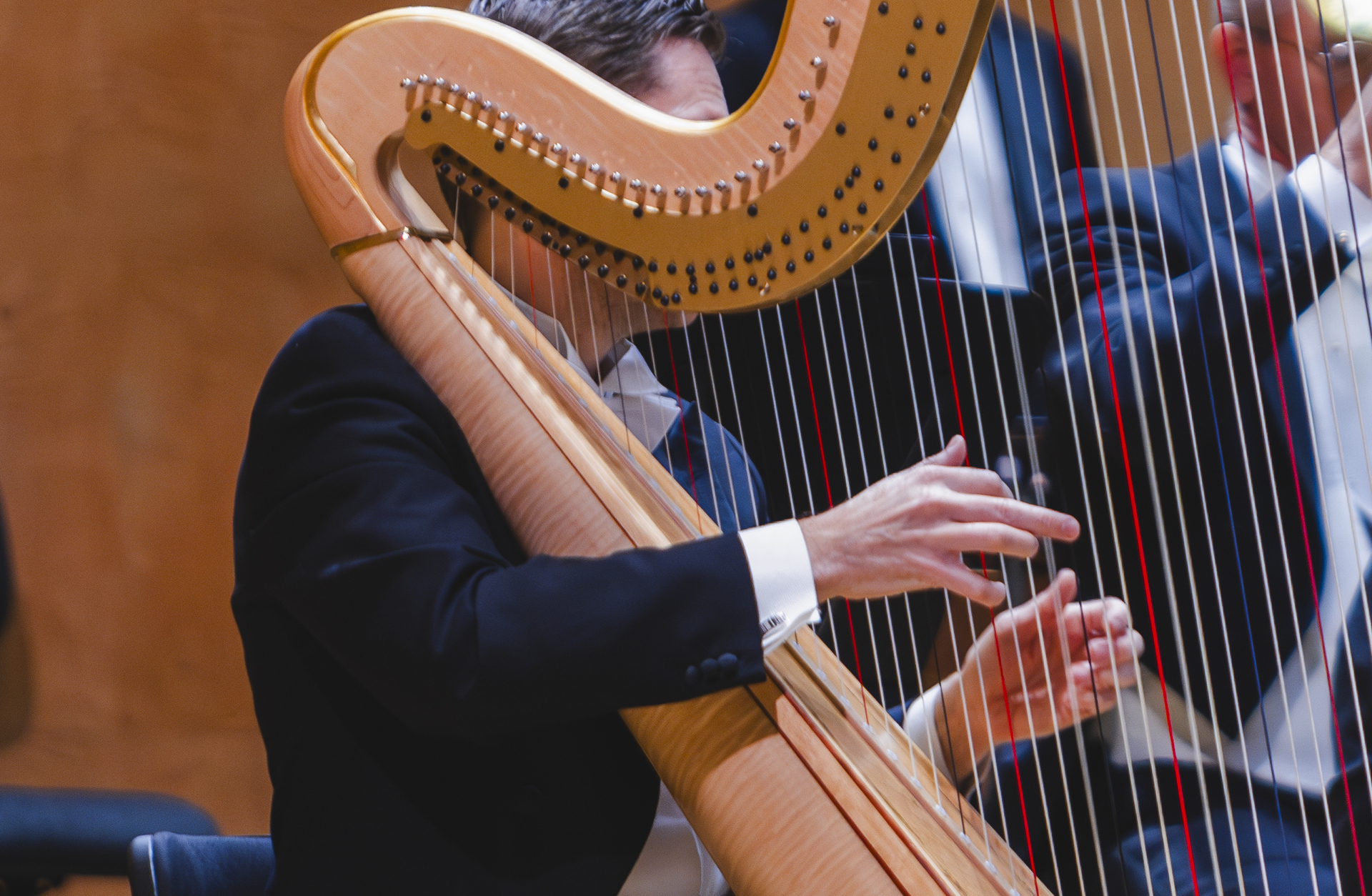
The harp
With its many strings and shimmering sound, the harp has a voice all its own in the orchestra. Discover this ancient instrument, where fingers and pedals work together to create everything from delicate sounds to sweeping chords.
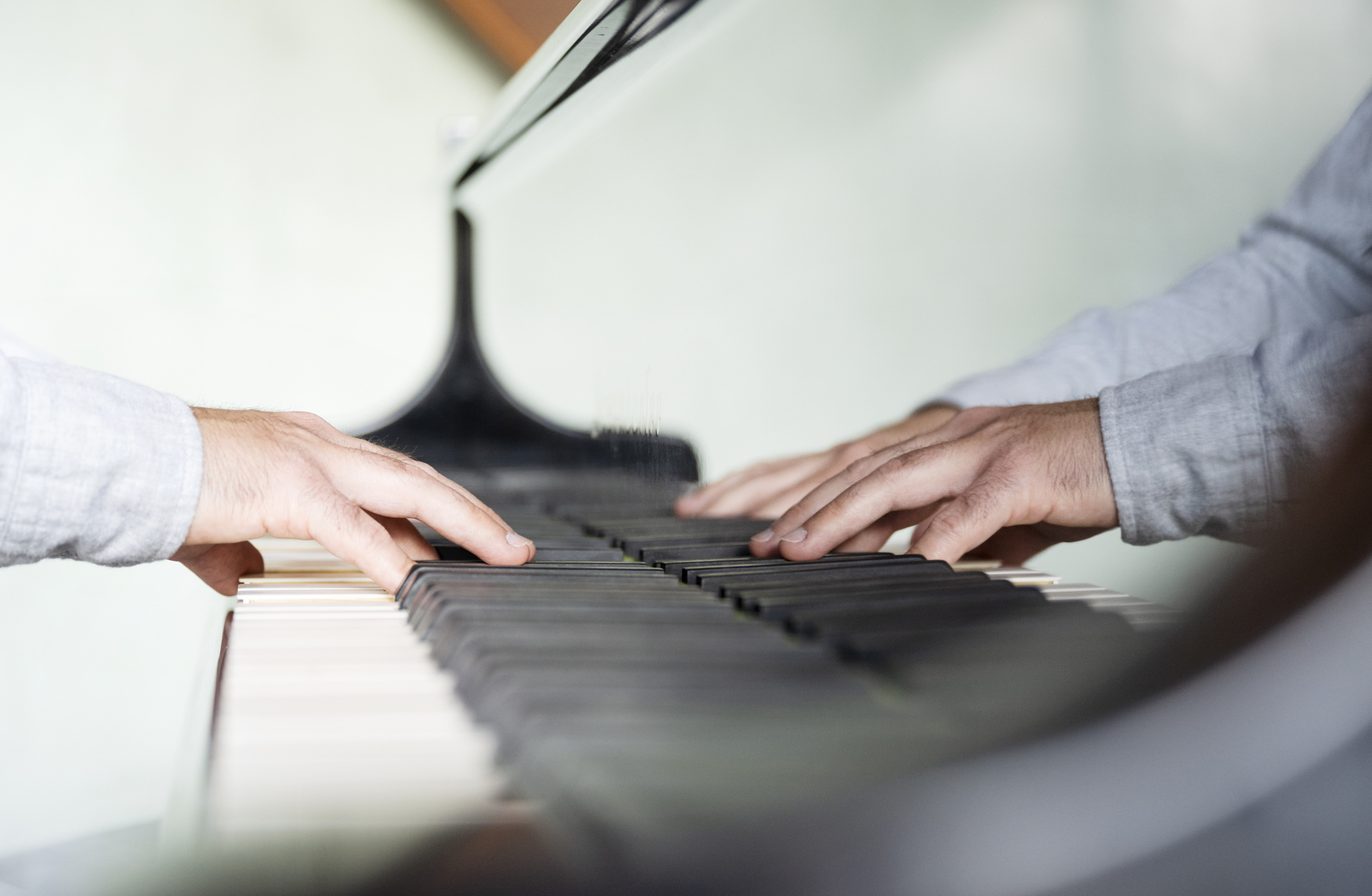
The piano
With its keys, hammers and strings, the piano can range from the quietest whisper to a powerful sound. Discover the orchestra’s keyboard instrument and the pianist who also moves between the celesta, harpsichord and synthesiser.
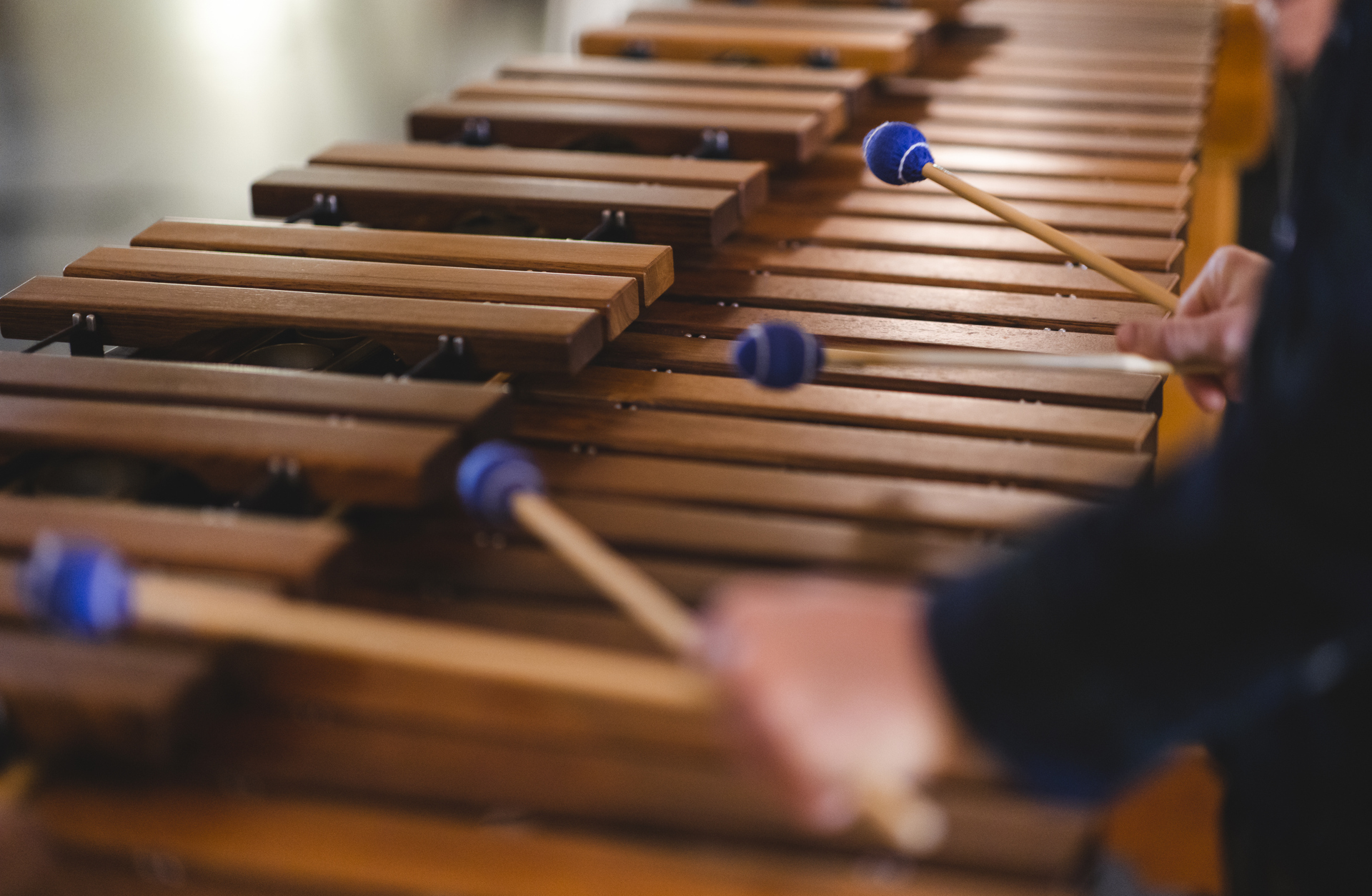
The percussion
From the mighty roar of the timpani to the delicate chime of the triangle. Meet the orchestra’s vast family of drums, cymbals, xylophones and other instruments that bring rhythm, colour and energy to the music.